Pet-ition
Publicis Toronto
Medals Won
- 🥇 GOLD – Best Use of Social
- 🥈 SILVER – Not for Profit
Campaign Overview
Canada is often seen as socially progressive, yet its animal welfare laws rank among the weakest in the developed world. Animals are still legally classified as “property,” and the core sections of the Criminal Code governing animal protection have not been meaningfully updated since 1892. Despite 92% of Canadians supporting stronger animal protection laws, legislative progress had stagnated due to cause fatigue and political inertia.
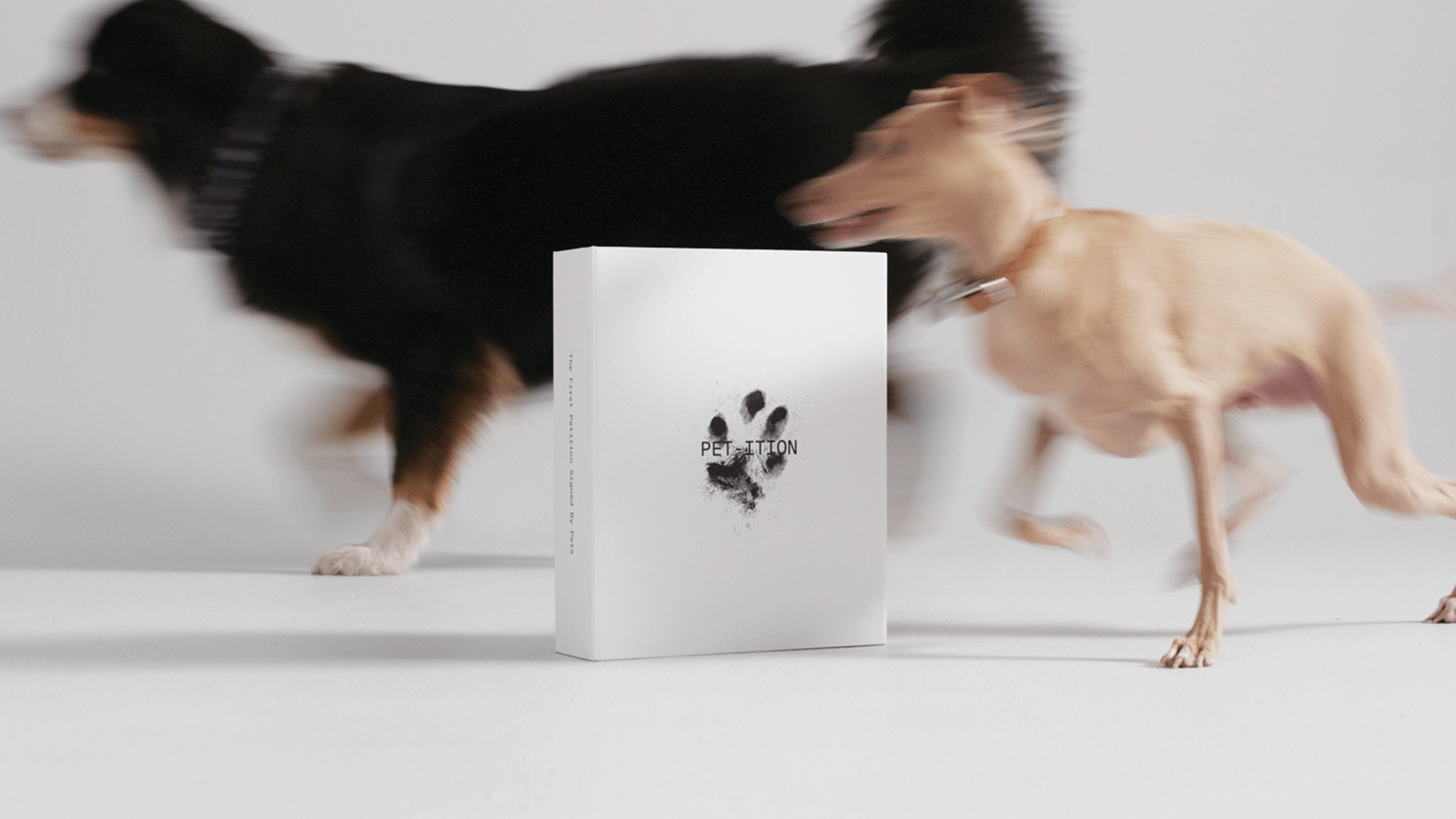
Pet-ition transformed this deadlock into national action by exploiting a legal loophole: nowhere in Canadian petition law does it require that a signer be human. By allowing pets to “sign” with their paw prints, Mattie’s Place turned emotional support into political pressure—reframing animal advocacy from symbolic protest into legitimate civic participation.
Creative Concept
The campaign brought national attention to animal protection reform through:
-
The First-Ever Pet-Led Petition: Using paw prints as legally valid signatures, pets themselves became the official signatories—turning a legal technicality into a public mandate for stronger animal welfare laws.
-
Emotional Storytelling: Owner–pet pairs shared the signing moment across social platforms, transforming a bureaucratic act into a deeply personal statement about protection, dignity, and voice.
-
High-Visibility Cultural Activation: Shelters, veterinarians, influencers, and national media amplified the movement, reframing animals as political stakeholders and sparking debate about who gets a say in the laws meant to protect them.
Execution Strategy
Pet-Centric Field Activations: Dog parks, grooming salons, and North America’s largest dog festival became signing hubs where volunteers collected paw-print signatures and educated owners on the petition’s legal power.
Social Media Mobilization: Pet influencers and everyday owners shared their animals’ “signatures,” turning a legal mechanism into a viral cultural act that spread organically across platforms.
Political Engagement: As momentum grew, elected officials from multiple parties joined the conversation—culminating in the petition’s formal presentation in the House of Commons and elevating pets into the national policy debate.
Impact and Results
· 83 million+ impressions, demonstrating nationwide visibility and powerful cultural amplification of the animal-rights movement.
· 2,100+ pet signatures collected, validating the breakthrough idea of animals legally “signing” and proving mass public participation.
· 10,000+ additional human petition signatures, showing rapid spillover into broader civic engagement and public support for legislative change.
· $125,000 in donations, marking the highest fundraising moment in Mattie’s Place history and directly strengthening on-the-ground rescue efforts.
· +300% organizational engagement, confirming unprecedented momentum across social channels and community touchpoints.
· 1,012 adoption enquiries, evidencing real behavioral impact and increased demand for animal welfare services.
· $13 million government investment in animal welfare, demonstrating tangible policy influence and validating the campaign’s ability to convert cultural pressure into institutional action.
Why It Worked
Pet-ition succeeded because it transformed emotional attachment into legislative leverage. It didn’t ask people to care more—it gave them a way to act. By turning paw prints into policy pressure, the campaign bypassed advocacy fatigue and created a legally valid, culturally irresistible form of protest.
It converted compassion into influence, attention into legislation, and a rescue shelter into a national political force.
Client
Mattie’s Place
Agency Name
Publicis Toronto
Categories
Best Use of Social
Not for Profit
Related Case Studies