PIZZA WRMR
Leo Toronto
Medals Won
- 🥈 SILVER – Best Use of New Technology
- 🥈 SILVER – Consumer Products and Services
Campaign Overview
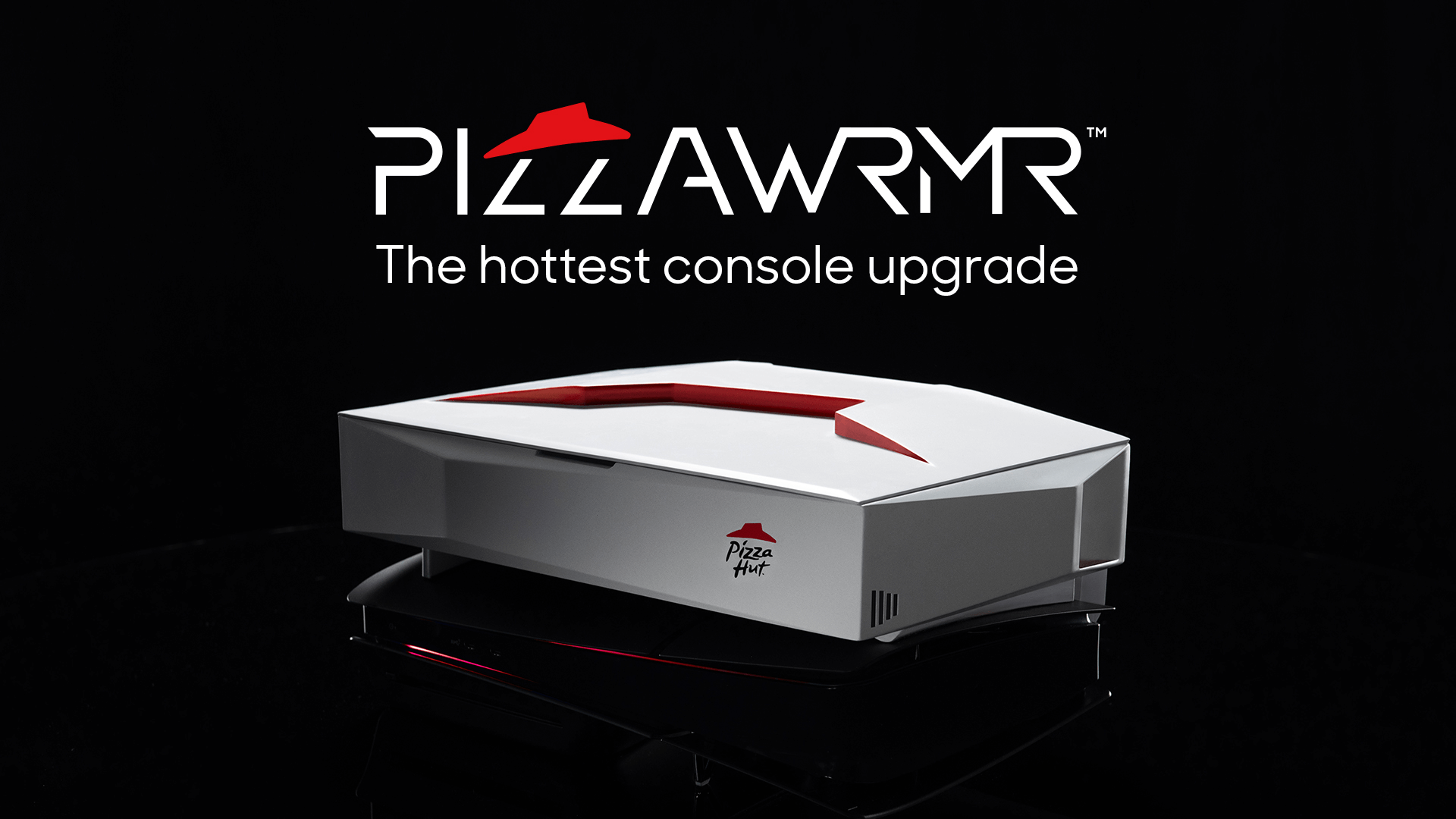
Pizza Hut transformed a universal gamer frustration—cold pizza during long gaming sessions—into a culture-defining innovation by harnessing the unused heat of a PlayStation 5. The result was the PIZZA WRMR, a one-of-a-kind, open-source, 3D-printable device that converts console exhaust heat into a functioning pizza warmer. Launched in Canada and driven entirely by organic culture, the idea instantly resonated with gamers and tech enthusiasts alike.
With zero paid media, the campaign achieved over 1.141 billion global impressions and $5.7 million in earned media value. What began as a playful engineering hack became a worldwide gaming phenomenon—turning thermal excess into brand utility and positioning Pizza Hut as a true cultural participant in gaming, not just a sponsor of it.
Creative Concept
• Heat-as-Utility Innovation: Leveraging the natural operating temperature of PS5 consoles, Pizza Hut engineered a convection-style enclosure that redirected existing heat to keep pizza warm—without altering or interfering with the console itself.
• Open-Source Product Design: By releasing the WRMR blueprint for free download and 3D printing, the brand transformed a branded invention into a community-owned utility, inviting gamers to build, customize, and share their own units.
• Cultural Problem-Solving: Framed around the universal gamer tension of cold pizza and long sessions, the WRMR turned a playful insight into a practical, technically sound solution—bridging gaming culture with functional food engineering.
Execution Strategy
Gaming-Driven Launch Timing: The WRMR debuted alongside Call of Duty: Black Ops 6, aligning the innovation with the biggest gaming release of the year and embedding it directly into peak cultural momentum.
Creator-Led Demonstration: Elite Twitch streamer ZkMushroom showcased the device live during marathon gameplay sessions, allowing millions of viewers to see the WRMR function in real time and validating its utility within authentic gamer behavior.
Platform-Wide Organic Amplification: Pizza Hut activated its Instagram, TikTok, YouTube, and email ecosystem to direct audiences to a dedicated landing page where the open-source blueprint could be downloaded for free—turning the launch into a participatory build-it-yourself movement.
Community & Tech UGC Expansion: Global reach was fueled entirely by gamer content, streamer adoption, and tech creators who 3D-printed, tested, and reviewed the device—transforming a branded product into a community-owned engineering phenomenon.
Impact and Results
• 1.141+ billion global impressions, demonstrating worldwide visibility and proving the WRMR became a truly global cultural phenomenon.
• $5.7 million in earned media, validating massive unpaid amplification driven entirely by gamer communities, tech creators, and streaming audiences.
• 29.1 million impressions in Canada alone (72.5% national reach), confirming deep domestic penetration and widespread national awareness.
• 7,700+ blueprint downloads, evidencing high levels of hands-on consumer engagement and adoption of the open-source innovation.
• +22% increase in Twitch views vs. benchmark, showing above-average audience retention during creator-led live demonstrations.
• +2000% higher Twitch CTR, reflecting breakthrough performance in real-time engagement and click-through behavior.
• $0 spent, underscoring the campaign’s efficiency and community-powered momentum.
Why It Worked
PIZZA WRMR succeeded because it didn’t advertise—it solved a real, culturally relevant problem with functional innovation. By embedding Pizza Hut into gameplay itself, the brand earned credibility with gamers instead of interrupting them. Open-source distribution turned fans into engineers, creators, and evangelists.
It wasn’t brand content—it was brand utility, engineered into gaming culture.
Client
Pizza Hut Canada
Agency Name
Leo Toronto
Categories
Best Use of New Technology
Consumer Products and Services
Related Case Studies